
$22.00
This series contains the following sessions, held on Tuesday evenings at 7PM Eastern Time. All sessions will be recorded, with recordings made available to registered participants after each session.
Oct. 7: 1. Intervals
Oct. 14: 2. Scales, Modes, and Keys
Oct. 21: 3. Chords and Arpeggios
Oct. 28: 4. Counterpoint
Nov. 4: 5. Harmony and Chord Relationships
Nov. 11: 6. Cadences, Phrases, and the Power of Expectation (plus extra Q&A)
Description
This series will run on Tuesday evenings at 7-8:30 PM Eastern Time from October 7 to November 11, 2025. All sessions will be recorded, with recordings made available to registered participants after each session; registered participants will receive a PDF and reminder email before each class. IMPORTANT: Please check your junk mail and “promotions” folders for your order confirmation, and make sure to use an email address that you will check!
You can sign up for individual sessions in this series á la carte, or you can sign up for all of them together at a discounted price. If you sign up for the whole series after it has already started, you’ll be sent a video link and all materials for the sessions you’ve missed.
Lots of folks are scared off by music theory, but don’t be! It’s all about giving names and categories to common things so that you can recognize and understand them more quickly when you encounter them.
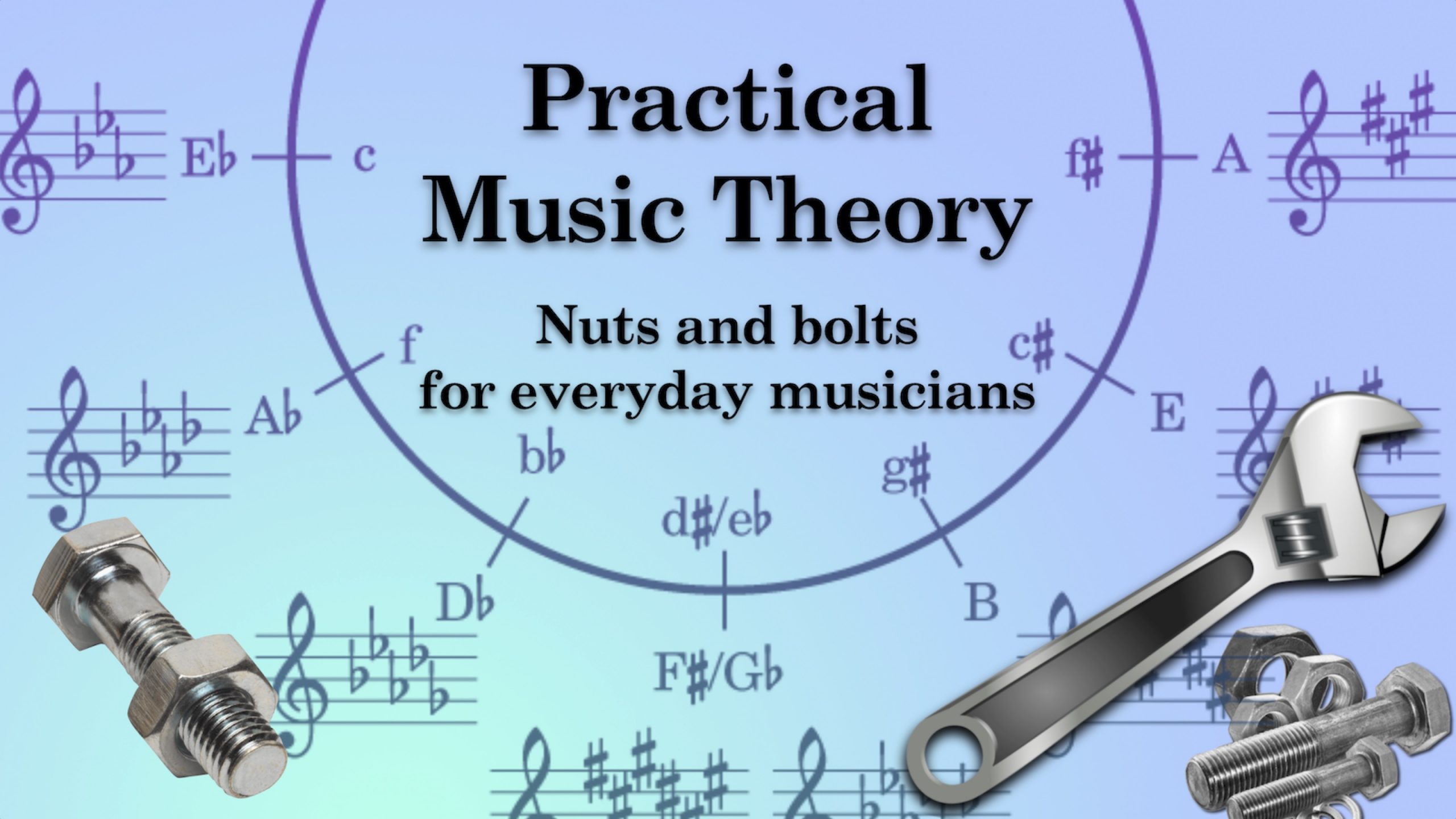
In this series of workshops, we’ll go over common nuts and bolts topics that will help you learn your music faster and sight read more easily, recognize how your part fits into the context of an ensemble piece, and gain a more detailed understanding of music you hear.
In each session, we’ll go over the basics of a specific topic and intersperse explanations with a variety of practice exercises to help you internalize it as a skill on your instrument. We’ll finish with some suggestions for how you can practice these skills on your own or with a friend. You can attend as many or as few sessions as you see fit, although each session will assume some familiarity with the material from the previous ones.
This series includes:
1. Intervals
Musical intervals are the basic building blocks of any melody. We’ll go over what they’re called and how to remember them, and how they relate to each other. Practice exercises will go over hearing and recognizing common and less common intervals; reproducing specific intervals on your instrument; and identifying and reproducing unexpected intervals when they occur in pieces.
These practice exercises are also a fantastic basis for creating technical exercises of your own as you need them!
2. Scales, Modes, and Keys
Scales are the framework we use as a starting point for melodies, and they come in many flavors called modes. We’ll discuss the most common ones and how they’re used. We’ll also go over the order of sharps and flats; how to figure out what key a piece is in; and why some Baroque pieces in minor keys don’t fit the modern rules. Exercises will include scales and how to help make the tricky keys easier to learn – both intellectually and technically on your instrument! Getting scales under your fingers really pays dividends because there are so many passages in pieces that your fingers will already know how to play.
3. Chords and Arpeggios
Lots of folks who play melody instruments get a little lost when we talk about chords. But recognizing common chords and how your part fits into them is important to lots of aspects of performance – not least of which is tuning! In this session we’ll learn how to identify common chords and practice ways of hearing and recognizing them, even if your instrument can only play one note at a time. We’ll also work on arpeggios (which are, after all, just broken chords) and practice hearing the whole chord when playing it only one note at a time. Besides being great technical exercises, getting common chords under your fingers is important preparation for reading from a lead sheet or improvising harmonies.
4. Counterpoint
Counterpoint is when multiple independent voices make music together. We’ll go over basic principles of how different voices move in relation to each other, and practice recognizing how your part fits in with the others. These concepts have been an integral part of musicians’ training for centuries, and are a fundamental part of how ensemble music works. We’ll also take a quick look at using these principles to help you create harmony parts of your own.
5. Harmony and Chord Relationships
This session will look at how individual chords relate to each other, and to the overall context of a piece of music. This topic is critical to seeing the bigger picture in not just ensemble music, but also in music with only a single line because of the harmonic content that is implied in the melody. We’ll practice identifying tonic and dominant chords and their relatives; and the most common types of cadences. Exercises will include listening practice for identifying these concepts, musical analysis of familiar pieces, and methods for continuing to delve into these topics on your own.
6. Cadences, Phrases, and the Power of Expectation
Phrases are musical sentences, and cadences are what they aim toward. Sometimes the phrase shows us what it’s going to do, and then we feel satisfied when it does that. Sometimes it shows us where it’s going, but surprises us by going somewhere else. In this last session, we’ll dig into what cadences are, how they shape phrases. We’ll also talk about how we use cadences as building blocks for musical interpretation and even for improvisation. We’ll end with some extra time for general questions and answers about the whole series.
Related products
-

REPLAY: Temperament, the Harmonic Series, and You: Introductory Session plus Tuning Exercises
$25.00 Add to cart -

Making It Up: Improvisation for everyone! – March 21, March 28, April 4, April 11, April 18 at 7PM Eastern
$125.00 Add to cart -

Practical Music Theory – 5. Harmony and Chord Relationships, Nov. 4
$22.00 Add to cart -

REPLAY: Memorizing your music – How you can, and why you should: Introduction plus Practice Exercises Workshops – Video Replay
$30.00 Add to cart